
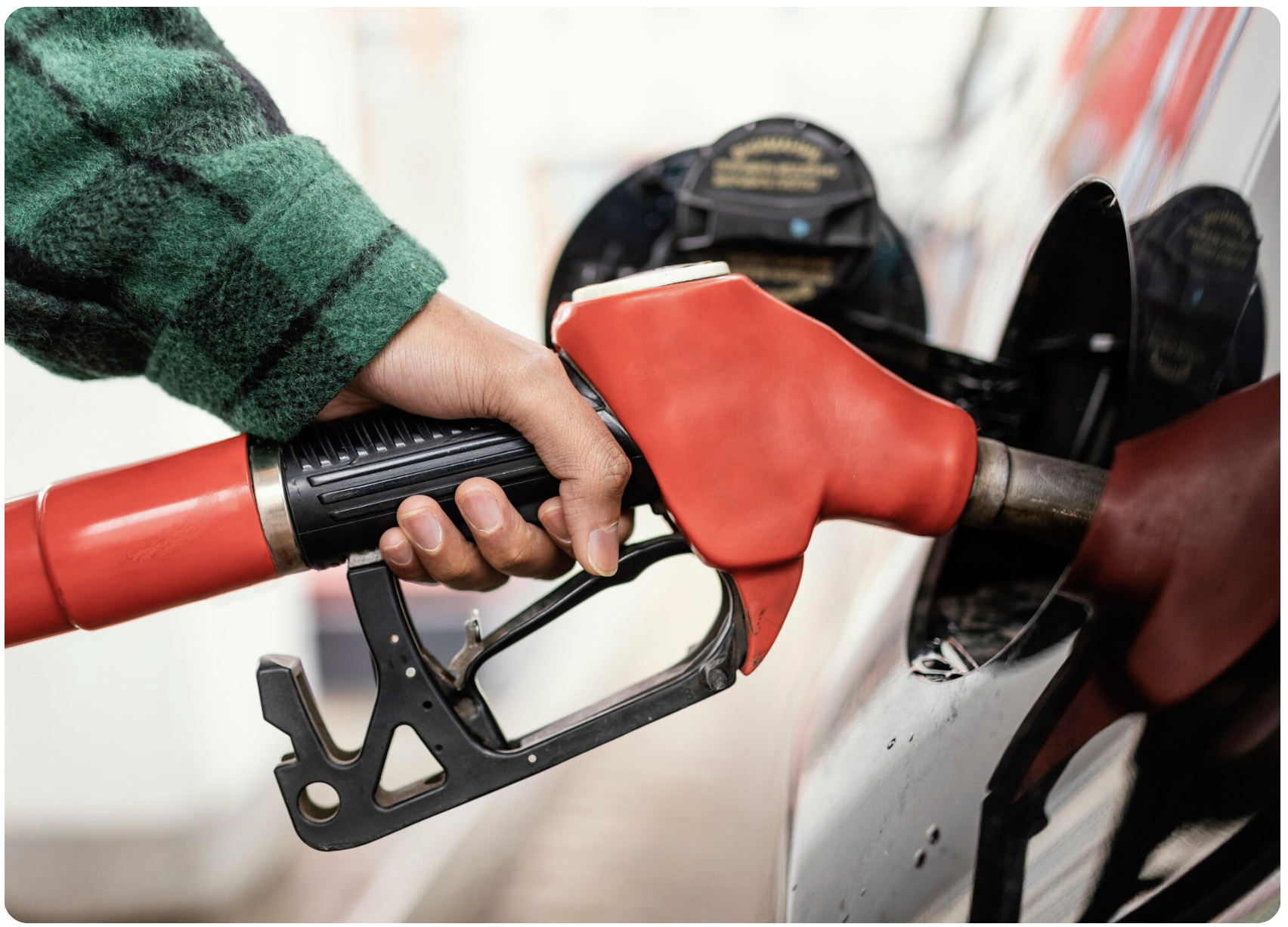

India is steering toward a greener future, fueled by an ambitious roadmap for ethanol blending. While the government is already eyeing targets well beyond the 20% mark (E20), a reality check from industry experts suggests that the path from policy to pump is paved with significant structural hurdles.
From feedstock math to infrastructure gaps, here is a look at what it will take for India to transition from a sugar-surplus nation to a biofuel powerhouse.
The Arithmetic of Ambition
The gap between India's current capacity and its "Flex-Fuel" dreams is substantial. Speaking to CNBC TV18, Atul Chaturvedi, former Executive Chairman of Shree Renuka Sugars, highlighted a stark mathematical challenge.
- The Scale: India consumes roughly 50 billion (5,000 crore) litres of petrol annually.
- The Goal: Moving to an E85 blend (85% ethanol) would require a staggering 42.5 billion litres of ethanol.
- The Reality: India simply does not have the production capacity to meet such a massive requirement at this point.
While the government is exploring the feasibility of E100 (100% ethanol) and consulting with automakers on vehicle compatibility, industry insiders believe a 30% blending target is a more credible and manageable near-term milestone.
Market Sentiment: A Sweet Spot for Sugar Stocks
Despite the capacity constraints, the ethanol trajectory remains a massive "buy" signal for the sugar sector. Analysts view the blending mandate as a structural shift that provides sugar mills with a consistent, non-cyclical revenue stream.
Key Takeaways for Investors:
- Broad-based Gains: According to Prashant Biyani of Elara Securities, companies involved in both sugar-based and grain-based ethanol are set to see a significant volume uptick.
- The "Wait and See" Approach: There is no immediate rush for fresh CAPEX (capital expenditure). The industry currently holds enough spare capacity to absorb initial demand spikes, with new investments likely to follow once higher blending levels stabilize.
- Top Pick: Balrampur Chini Mills stands out for analysts due to its diversified portfolio, including a forward-looking foray into bioplastics (PLA), which hedges against the volatility of the sugar market.
The "Food vs. Fuel" Tightrope
Perhaps the most significant challenge isn't the machinery, but the feedstock. As more sugarcane and grain are diverted toward ethanol:
- Price Stability: Reducing sugar production to fuel cars could lead to domestic price spikes.
- Food Security: The government must balance energy independence with the need to keep essential food commodities affordable.
"The push for higher blending remains tightly linked to India’s energy security, but it cannot come at the cost of domestic food availability."
The Road Ahead: What’s Needed?
For India to hit the 30% mark and beyond, the industry is looking for a supportive policy "cocktail":
- Fiscal Incentives: Lowering the GST on flex-fuel vehicles and related equipment.
- Feedstock Diversification: Ensuring a steady supply of both sugar-heavy and grain-based inputs.
- Infrastructure Investment: Streamlining the logistics of moving billions of litres of ethanol from mills to OMCs (Oil Marketing Companies).
Summary Table: The Ethanol Outlook
| Feature | Current Status | Future Target (Projected) |
|---|---|---|
| Primary Target | 20% Blending (E20) | 30% - 85% (E85) |
| Key Constraint | Infrastructure & Feedstock | High CAPEX requirements |
| Sector Beneficiary | Sugar & Bio-refineries | Bioplastics & Green Tech |
| Policy Need | Base Mandates | GST cuts for Flex-Fuel Vehicles |
Export to Sheets
India's ethanol mission is undoubtedly a positive catalyst for the environment and the economy. However, as experts suggest, the transition will be a marathon, not a sprint. The coming years will be defined by how well the country can bridge the gap between its green aspirations and its industrial capacity.